Wrong-Way Crash on I-80 Kills One, Injures Others

Attorney Lombardi
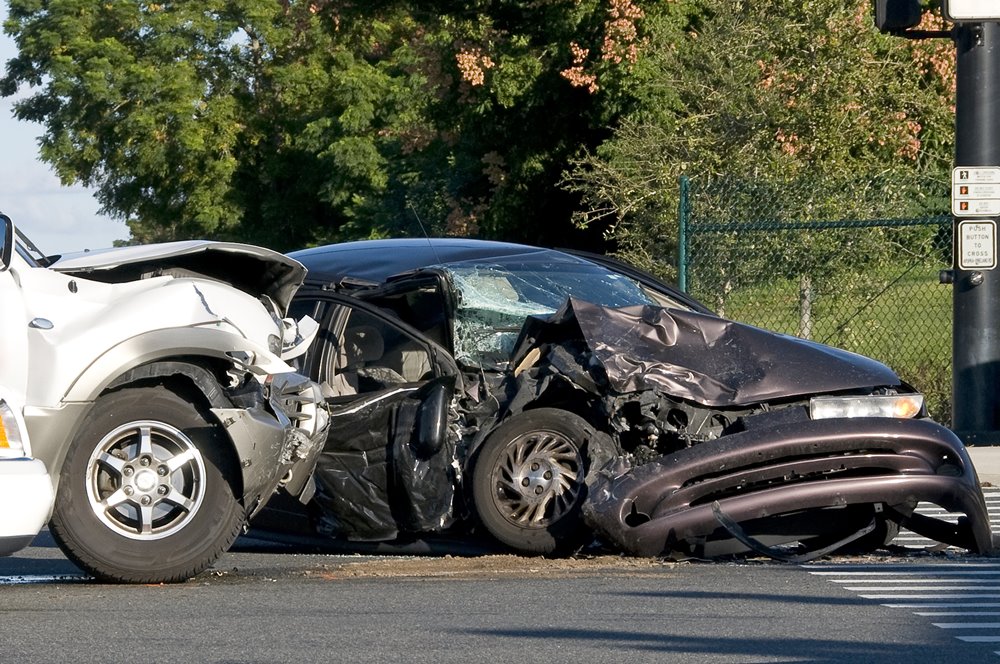
A tragic early-morning crash on Interstate 80 near Altoona (Polk County) claimed one life and injured three others, after a wrong-way driver collided with multiple vehicles in the eastbound lanes. KCCI
This accident, which closed a stretch of I-80 and drew law enforcement and media attention, highlights key legal, safety, and procedural issues in Iowa motor vehicle collision law.
When I wrote for injuryboard.com I became intrigued by wrong-way collisions. I covered over a thousand such accidents. And in the end was able to draw conclusions about the most common causes of wrong-way motor vehicle accidents. Driving while under the influence was the most common. Driving while exhausted was another common cause. There are ways to avoid them. The easiest way is when coming towards a rise in the road, do not be driving in the passing lane. Get over the right side of the road. Because the wrong-way driver thinks they are in the right lane, but coming from the opposite direction.
Crash Facts & Timeline
Here’s what is publicly known so far:
| Detail | Fact / Source |
|---|---|
| Date & Time | Early morning (approx. 1:40 a.m.) local time. KCCI |
| Location | Mile marker 140, near Altoona in Polk County on I-80 eastbound. KCCI |
| Vehicles Involved | At minimum: a Toyota Tacoma (wrong-way driver), a Dodge 3500, and a Mercedes Sprinter van. KCCI |
| Casualties / Injuries | The wrong-way driver (19-year-old from Altoona) died at the scene. KCCI Three others (the drivers or occupants of the Dodge and the van) were injured and transported to a Des Moines hospital. KCCI |
| Seatbelt Use | The deceased driver was not wearing a seatbelt. KCCI The injured parties were wearing seatbelts, per authorities. KCCI |
| Aftermath / Secondary Crash | Later in the morning, a Polk County deputy assisting with traffic control was struck while at the scene and sustained minor injuries. KCCI+2We Are Iowa+2 |
| Road Closure / Impact | The highway was blocked for several hours as authorities cleared wreckage and conducted investigation. KCCI |
As with many such crashes, details remain under investigation, and some facts may evolve or be clarified in official crash reports.
Legal Analysis & Key Issues
This tragic crash raises multiple legal issues that may affect claims by survivors, insurers, or estate representatives:
1. Wrong-Way Driving Liability & Negligence
-
Standard of care: Driving against traffic is inherently negligent. The deceased driver may be deemed negligent per se, for failing to obey traffic direction.
-
Comparative fault / contributory fault: Depending on Iowa’s fault rules, defendants (or insurers) may assert that the deceased driver was wholly or partly responsible, reducing recovery for injured parties or barring it entirely depending on the allocation of fault.
-
Statutory violations: The wrong‐way driving likely violates Iowa traffic statutes; such violations may be used as evidence of negligence.
2. Causation & Chain of Collisions
-
Plaintiffs (the injured parties in the Dodge or van) must show that their injuries were caused by the collision with the wrong‐way vehicle (or by the chain reaction).
-
The presence of a third vehicle increases complexity: establishing proximate cause (i.e. whether subsequent impacts were foreseeable and within the danger zone) may be contested.
3. Seatbelt & Safety Equipment Use
-
The fact that the deceased was not wearing a seatbelt introduces issues in the estate’s claims (if any) or insurers’ subrogation. Some jurisdictions reduce damages for non-seatbelt use or treat it as negligence in mitigation.
-
Because the injured parties were buckled, that strengthens claims that they acted reasonably, which can counter defense arguments that they failed to mitigate.
4. Damages & Survival / Wrongful Death Claims
-
The estate of the deceased may pursue any permissible claims (depending on Iowa law) — e.g. wrongful death, survival actions — against third parties if there was negligence beyond the wrong‐way driver (for instance, road design, signage, lighting, or maintenance).
-
Injured survivors can seek compensation for medical bills, pain & suffering, lost wages, and other related damages. Expert medical testimony will be critical.
5. Government / Roadway Liability Theories
While the primary direct liability likely lies with the wrong‐way driver, potential secondary or parallel liability theories might arise:
-
Road design / signage / lighting: Plaintiffs might examine whether the segment of I-80 had inadequate signage, lighting, or barriers that could have prevented or mitigated wrong‐way entry.
-
Maintenance / repair: If rumble strips, reflective pavement markers, guardrails, or median barriers were deficient, a claim might be made against the responsible governmental authority.
-
State immunity: Because I-80 is under the Iowa DOT or a state agency, any claim against the state must navigate Iowa’s governmental immunity or tort claims statutes. These often impose notice requirements, caps, or limits on liability.
6. Insurance & Subrogation
-
Multiple insurance carriers will be involved: the wrong-way driver’s auto insurer (if any), the injured parties’ insurers, and possibly umbrella or excess policies.
-
Subrogation claims may arise if an insurer pays medical or property damage and then seeks to recover from the wrong-way driver’s estate or insurer.
7. Procedural & Investigative Strategy
-
Prompt investigation: Preservation of evidence (vehicle damage, skid marks, CCTV, scene photos) is key.
-
Accident reconstruction: Experts in crash dynamics will be necessary to reconstruct the sequence and assign collision responsibility.
-
Plaintiff / defense motion practice: Expect motions for summary judgment or partial summary judgment over causation, fault apportionment, or immunity.
Policy & Safety Considerations
Beyond the legal implications, this crash underscores important public safety issues:
-
Wrong-way entry prevention: Consider how to better prevent wrong‐way entries via designs (e.g. diverging diamond interchanges, median barriers, “Do Not Enter” signage, red reflectors).
-
Nighttime visibility & lighting: Early morning hours pose additional visibility risks; roadway lighting and reflectors play a role.
-
Law enforcement safety: The secondary crash involving a deputy shows hazards at crash scenes and supports protocols for protecting emergency personnel.
-
Public awareness: Educating drivers about wrong‐way dangers and encouraging prompt reporting of vehicles going the wrong direction may save lives.