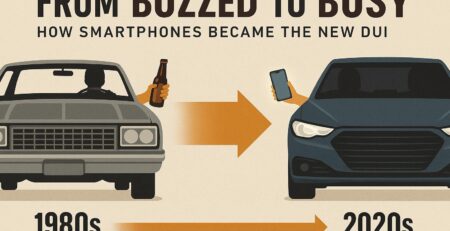
From Buzzed to Busy: How Smartphones Became the New DUI
Cell phones and driving, a deadly combination
Introduction
In the 1980s, public outrage over drunk driving reshaped American culture. We created MADD, toughened DUI penalties, and shifted norms — drinking and driving became socially unacceptable. Yet four decades later, we face a new epidemic: phone-addicted drivers.
Today, the phone in your hand is as dangerous as a drink in your cupholder. We’ve gone from buzzed to busy — and the result is the same: distracted, impaired, and deadly driving.
The Modern DUI: Distraction by Design
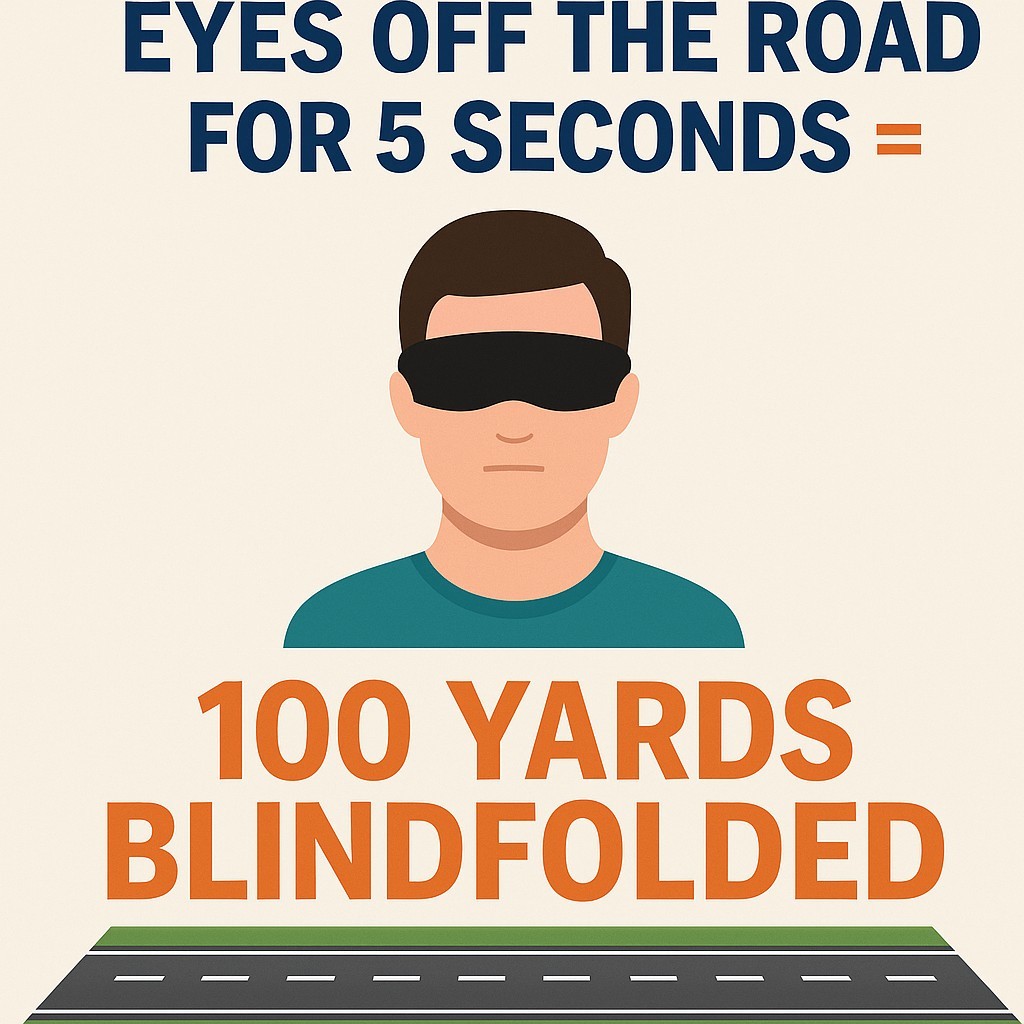
Unlike alcohol, distraction isn’t measured in blood. It’s coded into the technology itself. Notifications, vibrations, and alerts are designed to hijack attention. Studies show that even a glance of two seconds doubles crash risk. At five seconds, it’s equivalent to driving a football field blindfolded.
Cultural Hypocrisy — Why We Excuse It
We judge the drunk driver harshly but excuse the texter as ‘multitasking.’ Psychologically, we overestimate our focus and underestimate risk. The social normalization of phone use behind the wheel is the same early pattern we once saw with drunk driving — and it took decades to reverse.
The Legal Parallel — From Negligence to Recklessness
Iowa Code § 321.276 bans texting or using electronic devices while driving. When drivers break that rule and cause a crash, it’s more than negligence — it’s reckless disregard for human life. Courts are beginning to treat phone use with the same seriousness once reserved for DUI cases.
The Path Forward
Cultural change happens when accountability meets awareness. When juries award punitive damages for distracted driving, when insurance companies stop excusing it, and when drivers see their phones as potential weapons, only then will we see the same transformation we achieved with drunk driving laws.